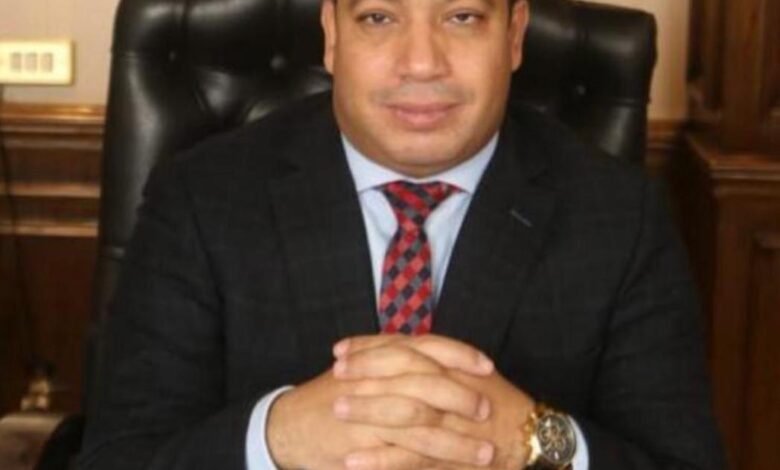
قال الدكتور عبد المنعم السيد، مدير مركز القاهرة للدراسات الاقتصادية، إن التوجيهات الأخيرة للرئيس عبد الفتاح السيسي تمثل خريطة طريق واضحة لتعزيز الانضباط المالي وخفض أعباء الدين، وبناء اقتصاد قوي ومستدام قادر على مواجهة الأزمات العالمية.
وأكد أن هذه الرؤية لا تقتصر على مواجهة التحديات الراهنة فحسب، بل تضع أسسًا لمرحلة جديدة من النمو الشامل طويل المدى.
أرقام تؤكد نجاح الإصلاح الاقتصادي في مصر
أوضح د. عبد المنعم أن التوجيهات ركزت على ترشيد الإنفاق العام وتعزيز كفاءة تخصيص الموارد للحفاظ على التوازن المالي ، مشيرا إلي أن مصر سجلت فائض أولي غير مسبوق بقيمة 629 مليار جنيه (3.6% من الناتج المحلي) خلال العام المالي 2024–2025، بزيادة قدرها 80% عن العام السابق، موضحا أن هذا الأداء يعزز ثقة المستثمرين المحليين والدوليين، ويحد من مخاطر الاعتماد على التمويلات العشوائية، خاصة في ظل استمرار الضغوط التضخمية عالميًا.

كشف الخبير الاقتصادي أن فوائد الدين تمثل نحو 11.2% من الناتج المحلي الإجمالي في الموازنة الجديدة، وهو ما دفع الحكومة إلى إعادة هيكلة محفظة الديون عبر الاعتماد على التمويل المحلي متوسط وطويل الأجل، وتخفيف الاعتماد على القروض قصيرة الأجل عالية التكلفة ، كما يتم توجيه الاقتراض الخارجي لمشروعات إنتاجية ذات عوائد اقتصادية واجتماعية ملموسة، ما يضمن استدامة النمو وتحقيق قيمة مضافة للاقتصاد الوطني.
خبير اقتصادي خفض أعباء الدين وإعادة هيكلة المالية العامة.. أبرز ملامح الرؤية الرئاسية لتحقيق الاستقرار
أكد مدير مركز القاهرة أن توجيهات الرئيس تعكس تحولًا نحو نموذج شراكة حقيقية بين الدولة والقطاع الخاص.
وأوضح أن الاستثمارات المستهدفة تشمل قطاعات الصناعة، البنية التحتية، الطاقة المتجددة، والتكنولوجيا، بما ينسجم مع مستهدفات رؤية مصر 2030، ويعزز من تنافسية الاقتصاد المصري في الأسواق الإقليمية والعالمية.
لفت الخبير الاقتصادي إلى أن مصر واصلت تحقيق فائض أولي قوي، حيث بلغ خلال الفترة من يوليو 2024 حتى فبراير 2025 نحو 330 مليار جنيه (1.9% من الناتج المحلي) مقارنة بـ1.4% في الفترة نفسها من العام السابق.
وأوضح أن هذا الإنجاز المالي يمنح الدولة مرونة في تمويل قطاعات التعليم والصحة وتوسيع مظلة الحماية الاجتماعية دون زيادة الأعباء على الدين العام.
استراتيجية مصر 2030: شراكات بين الحكومة والقطاع الخاص لتعزيز الاستثمار والنمو الشامل
شدد د. عبد المنعم على أن التوجيهات الرئاسية لم تغفل البعد الاجتماعي، حيث ارتفع الإنفاق على الصحة بنسبة 29%، والتعليم بنسبة 24%، فيما زادت مخصصات الدعم العيني والنقدي والسلع الأساسية بنسبة 44% خلال النصف الأول من العام المالي الجاري.
وأكد أن هذه السياسة المتوازنة تحقق معادلة دقيقة بين الإصلاح المالي والعدالة الاجتماعية، بما يساهم في تعزيز الاستقرار المجتمعي.
وافاد مدير مركز القاهرة للدراسات الاقتصادية إن التوجيهات الرئاسية تمثل إطار متكامل لإدارة الاقتصاد المصري، يجمع بين الانضباط المالي والمرونة، النمو الاقتصادي والحماية الاجتماعية ومع تحقيق فائض أولي غير مسبوق، وإعادة هيكلة الدين، وبناء شراكات قوية مع القطاع الخاص، تدخل مصر مرحلة جديدة من الإصلاح المالي والتنمية المستدامةعنوانها” قتصاد أكثر قوة، وعدالة اجتماعية أوسع، وحياة أفضل للمواطن المصري”
Egypt Vision 2030: Government–Private Sector Partnerships to Boost Investment and Inclusive Growth
Abdel Moneim El-Sayed: Presidential directives reinforce fiscal discipline and support sustainable growth… Numbers confirm the success of Egypt’s economic reform program
Dr. Abdel Moneim El-Sayed, Director of the Cairo Center for Economic Studies, stated that President Abdel Fattah El-Sisi’s recent directives represent a clear roadmap to strengthen fiscal discipline, reduce debt burdens, and build a resilient and sustainable economy capable of withstanding global crises.
He emphasized that this vision is not limited to addressing current challenges but lays the foundation for a new phase of long-term inclusive growth.
El-Sayed explained that the directives focused on rationalizing public spending and enhancing the efficiency of resource allocation to preserve fiscal balance. He pointed out that Egypt achieved an unprecedented primary surplus of EGP 629 billion (3.6% of GDP) in fiscal year 2024–2025, marking an 80% increase compared to the previous year. This performance, he noted, boosts both local and international investor confidence and reduces the risks of unsustainable financing, especially amid persistent global inflationary pressures.
The economist revealed that interest payments account for nearly 11.2% of GDP in the new budget, which prompted the government to restructure its debt portfolio by relying more on medium- and long-term domestic financing, while reducing dependence on costly short-term borrowing. External loans, he added, are now directed only to productive projects with tangible economic and social returns, ensuring sustainable growth and greater added value for the national economy.
El-Sayed affirmed that the president’s directives signal a genuine shift toward a strategic partnership model between the state and the private sector. Targeted investments cover key sectors such as industry, infrastructure, renewable energy, and technology—fully aligned with the objectives of Egypt Vision 2030 and aimed at enhancing the competitiveness of Egypt’s economy in regional and global markets.
He highlighted that Egypt has maintained a strong primary surplus, recording EGP 330 billion (1.9% of GDP) between July 2024 and February 2025, compared to 1.4% in the same period the previous year. This financial achievement, he explained, provides the state with flexibility to expand funding for education, healthcare, and social protection programs without adding pressure to public debt.
El-Sayed stressed that the presidential directives also placed strong emphasis on the social dimension. Spending on healthcare rose by 29%, education by 24%, while allocations for in-kind and cash subsidies, as well as essential goods, increased by 44% during the first half of the current fiscal year.
He underscored that this balanced policy achieves a delicate equation between fiscal reform and social justice, thereby reinforcing societal stability.
Finally, the Director of the Cairo Center for Economic Studies concluded that the presidential directives represent a comprehensive framework for managing Egypt’s economy, combining fiscal discipline with flexibility, economic growth with social protection. With an unprecedented primary surplus, debt restructuring, and stronger partnerships with the private sector, Egypt is entering a new stage of fiscal reform and sustainable development—defined by “a stronger economy, broader social justice, and a better life for every Egyptian citizen.”