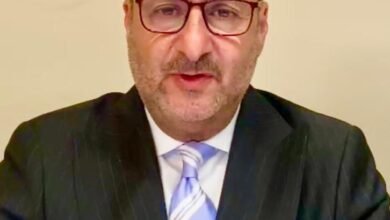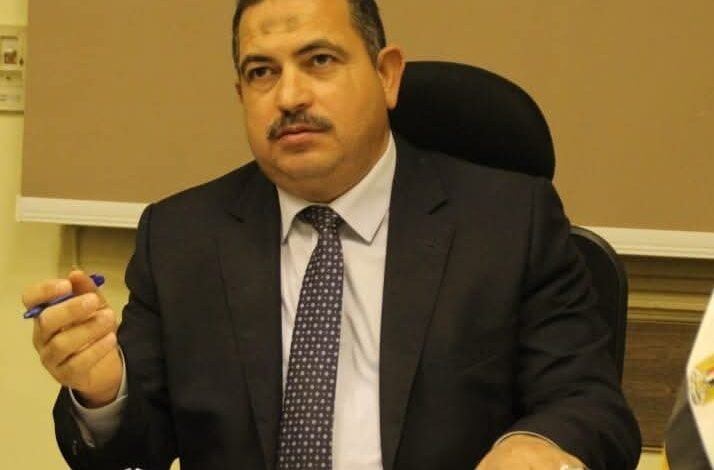
أكد الدكتور خالد الشافعي رئيس مركز العاصمة للدراسات والابحاث الاقتصادية والخبير الاقتصادي ، أن توجيهات الرئيس عبد الفتاح السيسي الأخيرة لتشكل خريطة طريق جديدة نحو تعزيز الانضباط المالي، تخفيف أعباء الدين، وبناء اقتصاد أكثر قدرة على مواجهة الأزمات. هذه الرؤية لا تتعامل مع الظرف الراهن فقط، بل تضع أسسًا لنمو شامل ومستدام يعيد صياغة علاقة الدولة بالاقتصاد والمجتمع
ونوه الشافعي أن ركزت التوجيهات الرئاسية على تعزيز الانضباط المالي الحكومي باعتباره المدخل الحقيقي لاستعادة التوازن الكلي، عبر ترشيد الإنفاق العام، وزيادة كفاءة تخصيص الموارد، موضحاً أن فالاستقرار المالي لا يقتصر على ضبط الموازنة، بل يمتد ليعزز ثقة المستثمرين، ويهيئ بيئة أكثر استقرارًا للنمو، خاصة في ظل الضغوط التضخمية وأسعار الفائدة المرتفعة عالميًا.
واردف الخبير الاقتصادي ، أن الملف الأبرز الذي تصدى له الرئيس هو إدارة الدين العام، حيث شدد على أهمية خفض أعباء خدمة الدين التي تمثل تحديا رئيسي للموازنة ، مشيرا إلي أن تتجه الحكومة، وفق الرؤية الرئاسية، إلى إعادة هيكلة محفظة الديون، مع الاعتماد بشكل أكبر على التمويلات المحلية متوسطة وطويلة الأجل، بدلًا من الاقتراض قصير الأجل عالي التكلفة، إلى جانب تحسين آليات الاقتراض الخارجي بضمان استغلالها في مشروعات إنتاجية ذات عوائد اقتصادية واجتماعية
شراكة جديدة بين الحكومة والقطاع الخاص
اشار د. خالد الشافعي ، أن إحدى الركائز الجوهرية في التوجيهات الرئاسية هي بناء شراكات استراتيجية بين الدولة والقطاع الخاص ، فالدولة لم تعد مجرد مُشرف على الاقتصاد، بل شريك يسعى إلى تمكين القطاع الخاص من قيادة النمو عبر الاستثمار في الصناعة، البنية التحتية، التكنولوجيا، والطاقة المتجددة ، لافتا أن هذا التوجه يتماشى مع مستهدفات رؤية مصر 2030، ويعزز تنافسية الاقتصاد الوطني في الأسواق الإقليمية والعالمية.
أكد أن التوجيهات الرئاسية على ضرورة الاستمرار في تحقيق فائض أولي في الموازنة العامة بشكل مستدام، وهو ما يعكس قدرة الدولة على تمويل التزاماتها دون زيادة الأعباء على الأجيال القادمة حيث يأتي ذلك في إطار الحفاظ على معدلات الدين عند مستويات آمنة، وخلق مساحة مالية تسمح بتوجيه مزيد من الإنفاق إلى قطاعات التعليم والصحة والحماية الاجتماعية.

سياسة مالية متوازنة تراعي البعد الاجتماعي
واستطرد الشافعي قائلا أن لم تغفل التوجيهات البعد الاجتماعي، حيث شدد الرئيس على أهمية تبني سياسة مالية متوازنة تحفز النشاط الاقتصادي وتدعم الاستثمار، وفي الوقت ذاته تحمي الفئات الأولى بالرعاية والتى يتجسد ذلك في استمرار برامج الدعم النقدي والعيني، وتوسيع مظلة الحماية الاجتماعية، بما يحقق معادلة النمو مع العدالة، ويعزز الاستقرار المجتمعي.
Economic Expert: President El-Sisi’s Directives Lay the Foundation for Inclusive Growth and Sustainable Financial Stability
Dr. Khaled El-Shafie, Head of the Capital Center for Economic Studies and a prominent economist, affirmed that President Abdel Fattah El-Sisi’s recent directives represent a new roadmap toward strengthening fiscal discipline, alleviating debt burdens, and building an economy more resilient to crises. He noted that this vision is not only a response to current challenges but also lays the groundwork for inclusive and sustainable growth that redefines the relationship between the state, the economy, and society.
El-Shafie highlighted that the presidential directives focused on reinforcing government fiscal discipline as the true gateway to restoring macroeconomic balance. This includes rationalizing public spending and improving the efficiency of resource allocation. He explained that financial stability goes beyond balancing the budget; it builds investor confidence and provides a more stable environment for growth, especially amid global inflationary pressures and high interest rates.
Tackling Public Debt Management
The economist pointed out that one of the most critical files addressed by the President is public debt management. El-Sisi stressed the importance of reducing debt service burdens, which remain a major challenge for the state budget. According to the presidential vision, the government will restructure the debt portfolio by relying more on medium- and long-term local financing instead of costly short-term borrowing. Additionally, external loans will be better managed to ensure they are directed toward productive projects with strong economic and social returns.
A New Partnership Between the State and the Private Sector
El-Shafie emphasized that one of the core pillars of the directives is establishing strategic partnerships between the state and the private sector. The state is no longer merely a regulator of the economy but a partner committed to empowering the private sector to lead growth through investments in industry, infrastructure, technology, and renewable energy. He noted that this approach aligns with Egypt’s Vision 2030 and enhances the competitiveness of the national economy regionally and globally.
He further stressed the importance of sustaining a primary surplus in the state budget, which reflects the government’s ability to meet its obligations without burdening future generations. This strategy helps maintain debt at safe levels while creating fiscal space to allocate more resources to education, healthcare, and social protection programs.
A Balanced Fiscal Policy with a Social Dimension
El-Shafie added that the directives did not overlook the social aspect. President El-Sisi underscored the need for a balanced fiscal policy that stimulates economic activity and supports investment while also protecting vulnerable groups. This is evident in the continuation of both cash and in-kind subsidy programs and the expansion of the social safety net. Such measures, he explained, ensure the balance between growth and equity while strengthening social stability.