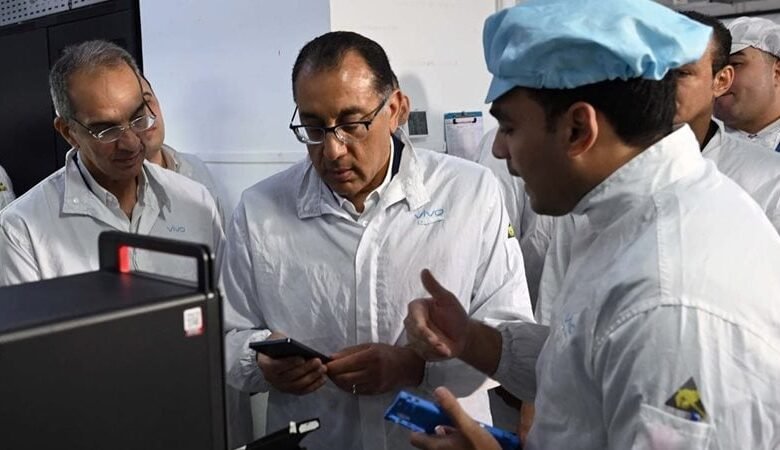
كشفت مؤسسة فيتش سوليوشنز في تقريرها الأخير بعنوان “نمو سوق الهواتف المحمولة في مصر مع توسع التجميع المحلي” عن توقعات إيجابية لمسار قطاع الهواتف الذكية في مصر، مدعومًا بالسياسات الحكومية الرامية إلى توطين صناعة الإلكترونيات وجذب استثمارات عالمية.
مبيعات الهواتف المحمولة تقفز إلى 4.8 مليار دولار
توقع التقرير أن يشهد السوق المصري للهواتف المحمولة نموًا قويًا حتى عام 2031، لترتفع قيمة المبيعات من 2.5 مليار دولار في 2025 إلى أكثر من 4.8 مليار دولار بحلول 2031، بمعدل نمو سنوي مركب يبلغ 11.4%.
سياسات داعمة لتوطين الصناعة
أشار التقرير إلى أن مبادرة “مصر تصنع الإلكترونيات” شكلت نقطة تحول محورية، حيث قدمت الحكومة حوافز لتشجيع التصنيع المحلي، إلى جانب إجراءات لتخفيف الأعباء الضريبية. كما أسهم قرار مضاعفة الرسوم الجمركية على الهواتف المستوردة إلى 10% عام 2022 في تعزيز تنافسية الإنتاج المحلي.


تحول استراتيجي نحو التجميع والتصنيع
أكدت فيتش أن مصر انتقلت من مرحلة الاعتماد على الاستيراد إلى مرحلة تصنيع وتجميع الهواتف عبر كبرى الشركات العالمية مثل: سامسونج، أوبو، شاومي، فيفو، نوكيا، إنفينيكس، ومايكرومكس. هذا التوجه يعكس استراتيجية اقتصادية تستهدف خفض الواردات، تقليص العجز التجاري، وخلق فرص عمل جديدة.
توسع الاستثمارات وزيادة الإنتاج
شهدت السنوات الثلاث الماضية توسعًا لافتًا في مصانع الهواتف، سواء باستثمارات مباشرة أو عبر شراكات مع المصنعين المحليين. وقد أدى ذلك إلى رفع الطاقة الإنتاجية، وترسيخ الثقة في مصر كقاعدة تصنيع إقليمية قادرة على النفاذ إلى أسواق الشرق الأوسط وإفريقيا.
نمو الإنتاج وتراجع الواردات
بدأت رحلة التصنيع مع إطلاق شركة سيكو لهاتف “نايل إكس”، لتقفز معدلات الإنتاج من 1.5 مليون جهاز في 2021 إلى نحو 3 ملايين هاتف سنويًا بحلول 2024. في المقابل، انخفضت واردات أجهزة الاتصالات من 1.8 مليار دولار في 2020 إلى 54 مليون دولار فقط في 2024، فيما ارتفعت واردات المكونات الإلكترونية اللازمة للتصنيع المحلي، ما يعكس التحول الاستراتيجي نحو الاعتماد على المكون المحلي.
فرص استثمارية واعدة
لفت التقرير إلى أن المصانع العاملة بمصر تمتلك طاقة إنتاجية تصل إلى 11.5 مليون وحدة سنويًا، بينما يُستغل منها 26% فقط. هذه الفجوة التي تتجاوز 8.5 مليون وحدة تمثل فرصة استثمارية ضخمة لتعظيم الإنتاج، تلبية الطلب المحلي، والتوسع في التصدير الإقليمي.
تحديات قائمة ورؤية مستقبلية
ورغم هذه المؤشرات الإيجابية، ما تزال الصناعة تواجه تحديات، منها:
-
التطورات الجيوسياسية.
-
نقص العمالة الماهرة في تصنيع الإلكترونيات.
-
استمرار الاعتماد على استيراد بعض المكونات الأساسية.
-
مخاطر السوق المرتبطة بسعر الصرف والتمويل.
واختتمت فيتش بأن معالجة تحديات سلاسل الإمداد وتعزيز النفاذ إلى الأسواق، ستعزز مكانة مصر كمركز إقليمي لصناعة الهواتف المحمولة، قادر على المنافسة عالميًا.
Egypt’s Mobile Phone Market to Double by 2031 Backed by Local Manufacturing Expansion
A new report by Fitch Solutions, titled “Egypt’s Mobile Phone Market Growth Amid Local Assembly Expansion,” revealed that Egypt’s supportive policies for localizing electronics manufacturing have fueled significant growth in the domestic smartphone industry.
The report forecasts that Egypt’s mobile phone market will maintain strong momentum through 2031, with sales expected to rise from USD 2.5 billion in 2025 to more than USD 4.8 billion by 2031, marking a compound annual growth rate (CAGR) of 11.4%.
Government Policies Driving Growth
According to the report, Egypt’s government has implemented a range of initiatives, most notably the “Egypt Makes Electronics” program, offering incentives to encourage local production. Measures such as reducing tax burdens on manufacturing inputs and doubling import tariffs on foreign smartphones to 10% in 2022 have further enhanced the competitiveness of domestic assembly.
As a result, Egypt has transitioned from complete reliance on imports to assembling and manufacturing devices for global giants like Samsung, Oppo, Xiaomi, Vivo, Nokia, Infinix, and Micromax. This transformation is part of a broader economic strategy aimed at reducing trade deficits, boosting local employment, and positioning Egypt as a regional hub for mobile phone manufacturing.
Rising Production Capacity
The report highlighted that Egypt’s annual smartphone production surged from 1.5 million units in 2021 to around 3 million units in 2024, supported by new factories and global partnerships. Concurrently, imports of communication devices dropped sharply from USD 1.8 billion in 2020 to just USD 54 million in 2024, while imports of electronic components rose, reflecting the shift toward local assembly.
Currently, Egypt’s mobile factories have a combined capacity of 11.5 million units per year, but only 26% is being utilized—leaving a gap of over 8.5 million units that represents untapped investment opportunities.
Investment Opportunities and Challenges
Fitch Solutions pointed out that Egypt’s mobile phone industry offers vast opportunities for investors to expand production, meet growing domestic demand, and boost exports to the Middle East and Africa.
However, the report also highlighted challenges, including geopolitical risks, exchange rate fluctuations, reliance on imported components, and the need for a skilled labor force in electronics manufacturing.
Despite these challenges, Fitch Solutions concluded that Egypt’s policy-driven approach, coupled with rising demand for affordable smartphones (under USD 150), provides a solid foundation for the industry’s expansion. Addressing supply chain constraints and enhancing regional market access will be key to consolidating Egypt’s role as a competitive regional hub for smartphone manufacturing.